Published on March 30, 2026
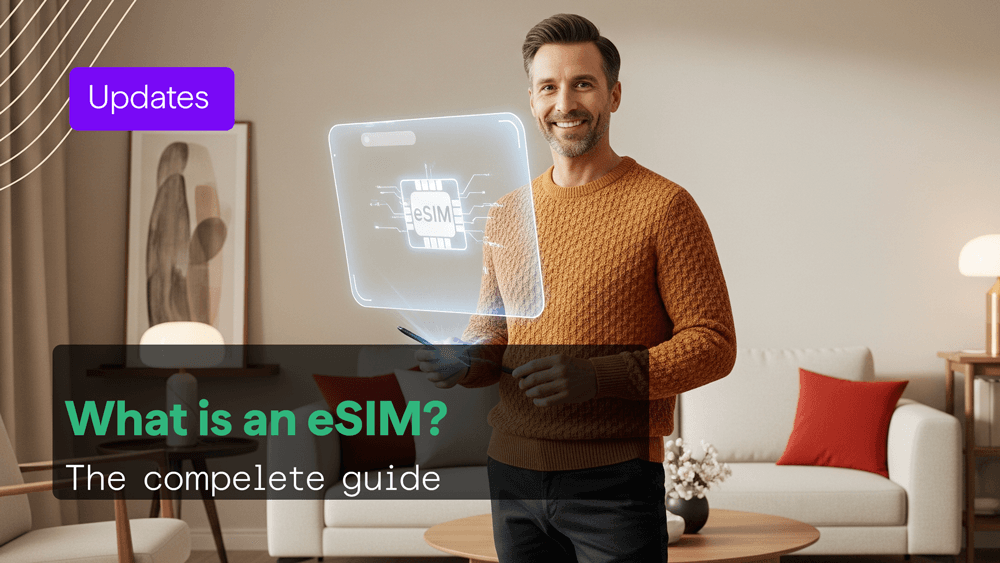
What Is an eSIM?
An eSIM (embedded SIM) is a digital SIM built directly into your smartphone, tablet, or wearable device.
Unlike a physical SIM card, an eSIM does not need to be inserted or removed. Instead, you activate it digitally using a QR code or installation link.
In simple terms:
How Does an eSIM Work?
eSIMs work by downloading a mobile network profile directly to your device.
Here’s how it usually works:
No store visit. No waiting. No SIM tray.
Why Are eSIMs Becoming So Popular?
Based on page-1 results and user intent, eSIMs are growing for four main reasons:
You can buy and activate an eSIM in minutes, even before you travel.
There’s nothing to lose, break, or swap.
Modern phones can store multiple eSIMs for different countries or carriers.
Travel eSIMs eliminate roaming fees and airport SIM hassles.
Which Phones Support eSIM?
Most modern iPhones support eSIM, including:
Many Android devices support eSIM, such as:
You can usually check eSIM support in your phone’s Cellular / Network settings.
How Many eSIMs Can You Add to a Phone?
This is one of the most searched questions.
Most modern smartphones allow:
You can store multiple plans and switch between them when needed.
eSIM vs Physical SIM: What’s the Difference?
FeaturePhysical SIMeSIMInstallationInsert cardDigital downloadSwitching countriesReplace SIMChange profileRisk of lossHighNoneTravel friendlyLimitedExcellentActivation speedSlowInstant
Is eSIM Available in the UAE?
Yes.
eSIM is widely supported in the UAE by:
This is why searches like “eSIM UAE”, “eSIM Dubai”, and “eSIM tourist UAE” appear heavily in Google results.
Why Travelers Prefer eSIMs
Travelers use eSIMs to:
For multi-country trips, regional or global eSIMs are especially popular.
Can You Use eSIM and Physical SIM Together?
Yes.
Most phones support dual SIM, meaning:
This allows you to keep receiving calls and messages while using mobile data from your eSIM.
Common eSIM Questions (People Also Ask)
For most users—especially travelers—yes. It’s faster, safer, and more flexible.
You need internet (Wi-Fi) to install an eSIM, but once activated, it works like a normal SIM.
In most cases, travel eSIMs are single-installation. Deleting them usually means they cannot be reused.
No significant difference compared to physical SIMs.
The Future of eSIM Technology
Industry trends show:
eSIM is no longer “new technology”—it’s becoming the global standard.
Final Thoughts
If you’re researching “what is an eSIM”, “how eSIM works”, or “best eSIM for travel”, the answer is clear:
eSIMs simplify connectivity, especially across borders.
As mobile devices continue moving toward digital-only designs, understanding eSIMs today puts you ahead of the curve tomorrow.